Santos' decommissioning liability matches a quarter of its $22b value, but its disclosures to investors fared poorly against the latest accounting standards, according to an international survey.
Investors beware: after spending more than $40 million in the Canning Basin, the US-owned company's continued pursuit of remote gas appears to be throwing good money after bad.
Alinta head of asset strategy Gary Bryant said growing solar panel installations needed to be partnered with other power sources when solar generation dropped, and batteries were a costly solution to "time-shift" substantial amounts of power into the evening.
"Our focus is around wind being the big thing you need to supply when the sun's not shining," Bryant said.
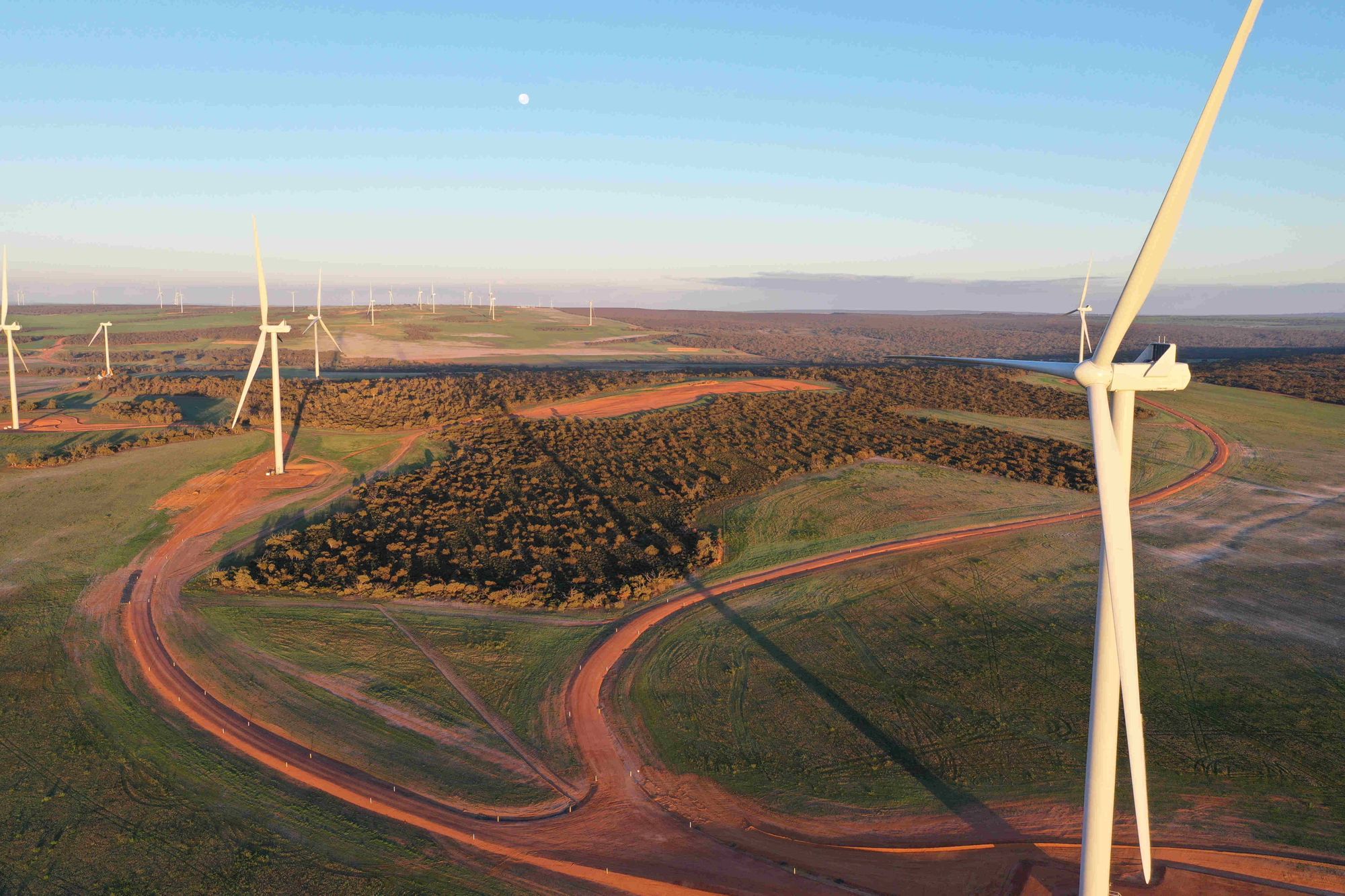
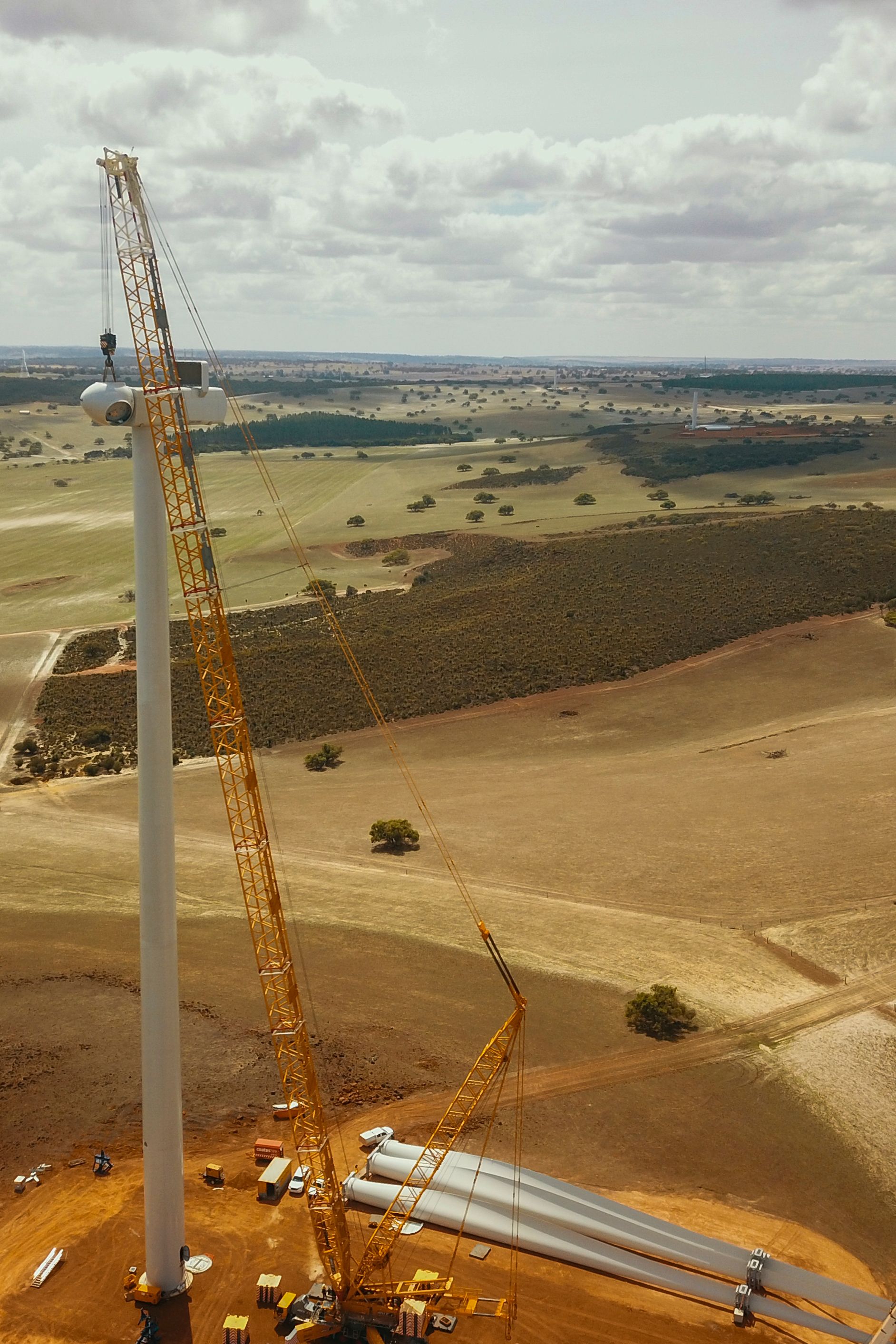
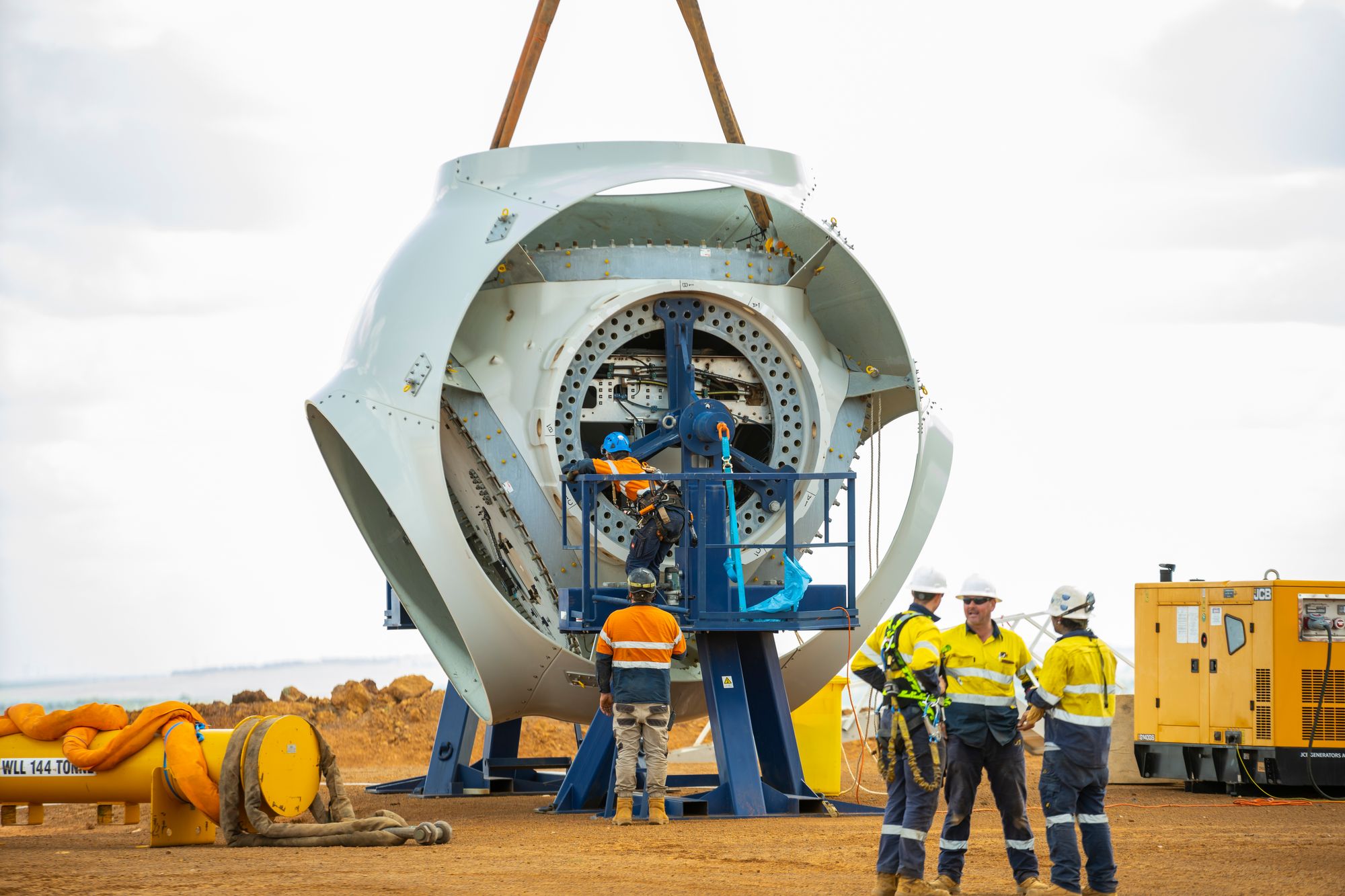
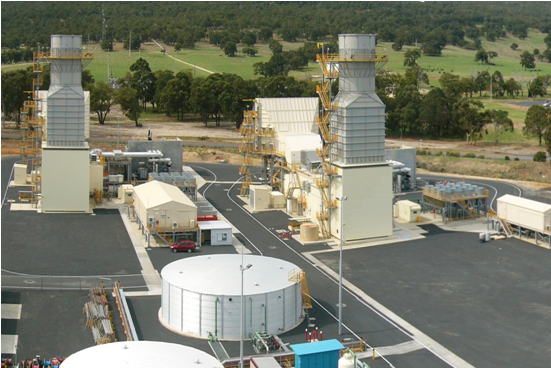
Alinta started up its 212-megawatt Yandin wind farm in 2020 to add to its two gas-fired power stations in the South West, has plans lodged for a massive battery, and its eyes firmly on more wind generation in the Mid-West where the wind is strongest at night.
Late last year Yandin, together with the 180MW Warradarge wind farm, connected to the South West grid, pushed coal out and wholesale prices down.
Bryant said the Mid-West was "the best place for wind farms in Australia by quite a long way."
"We have intentions to put more wind down."
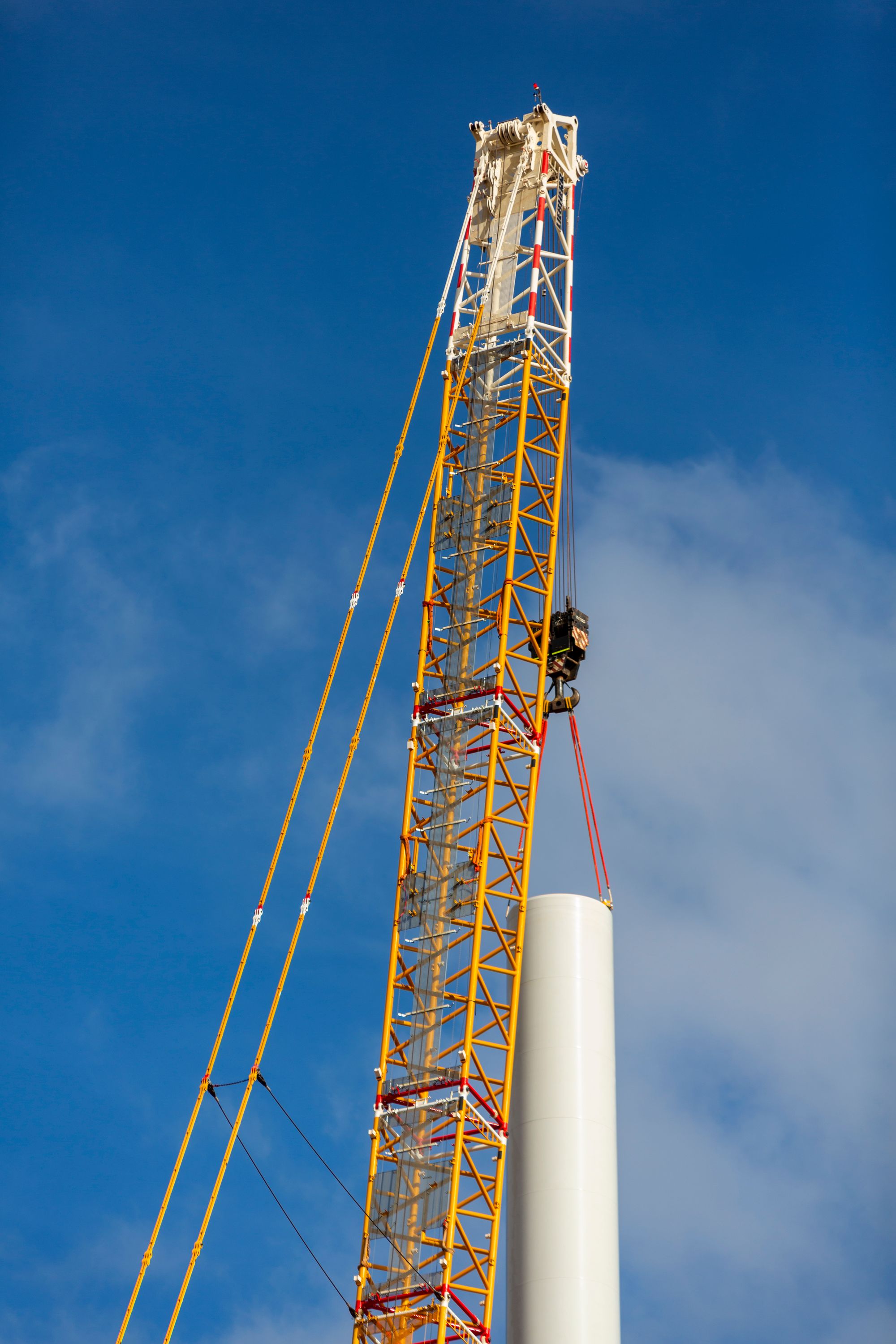
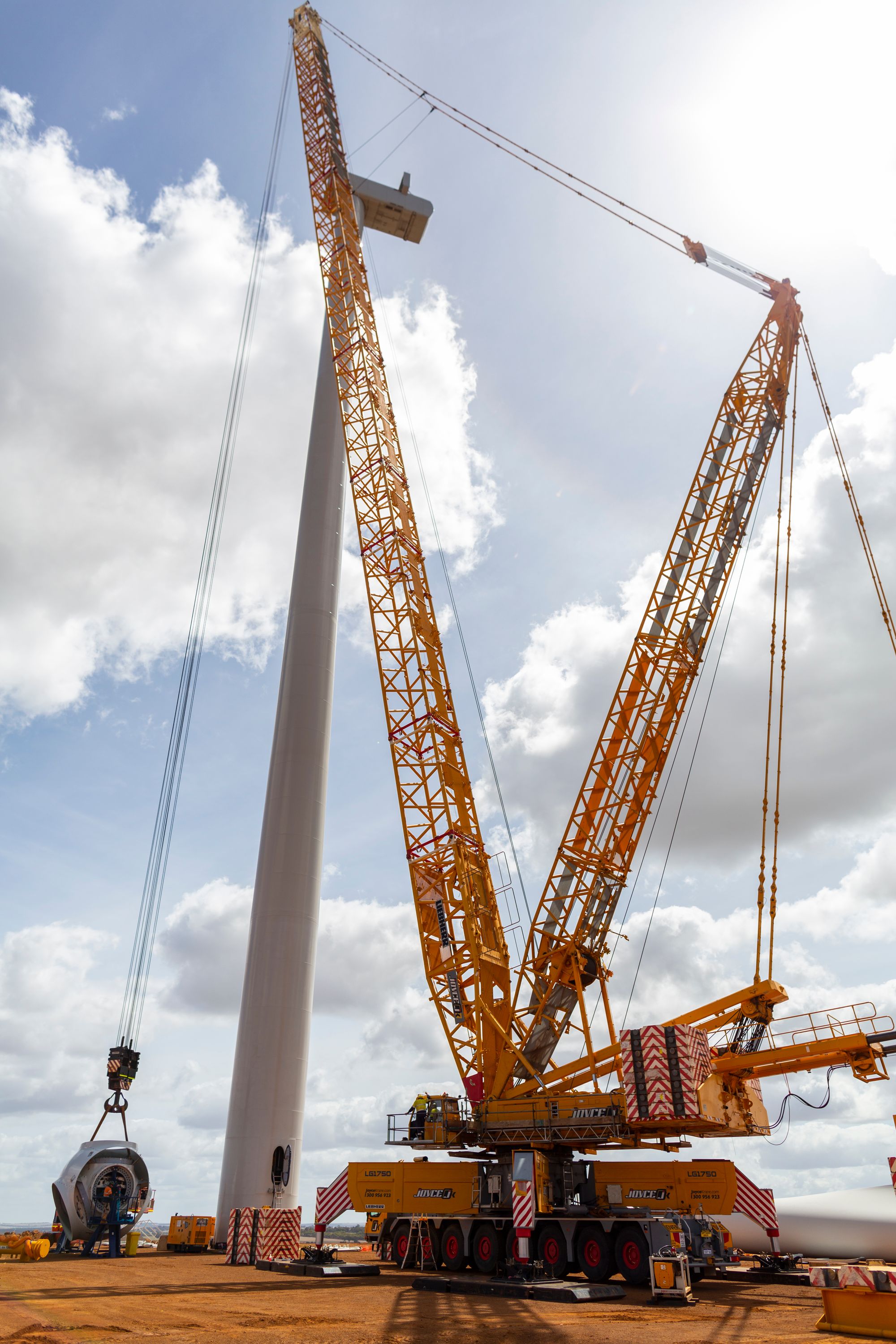
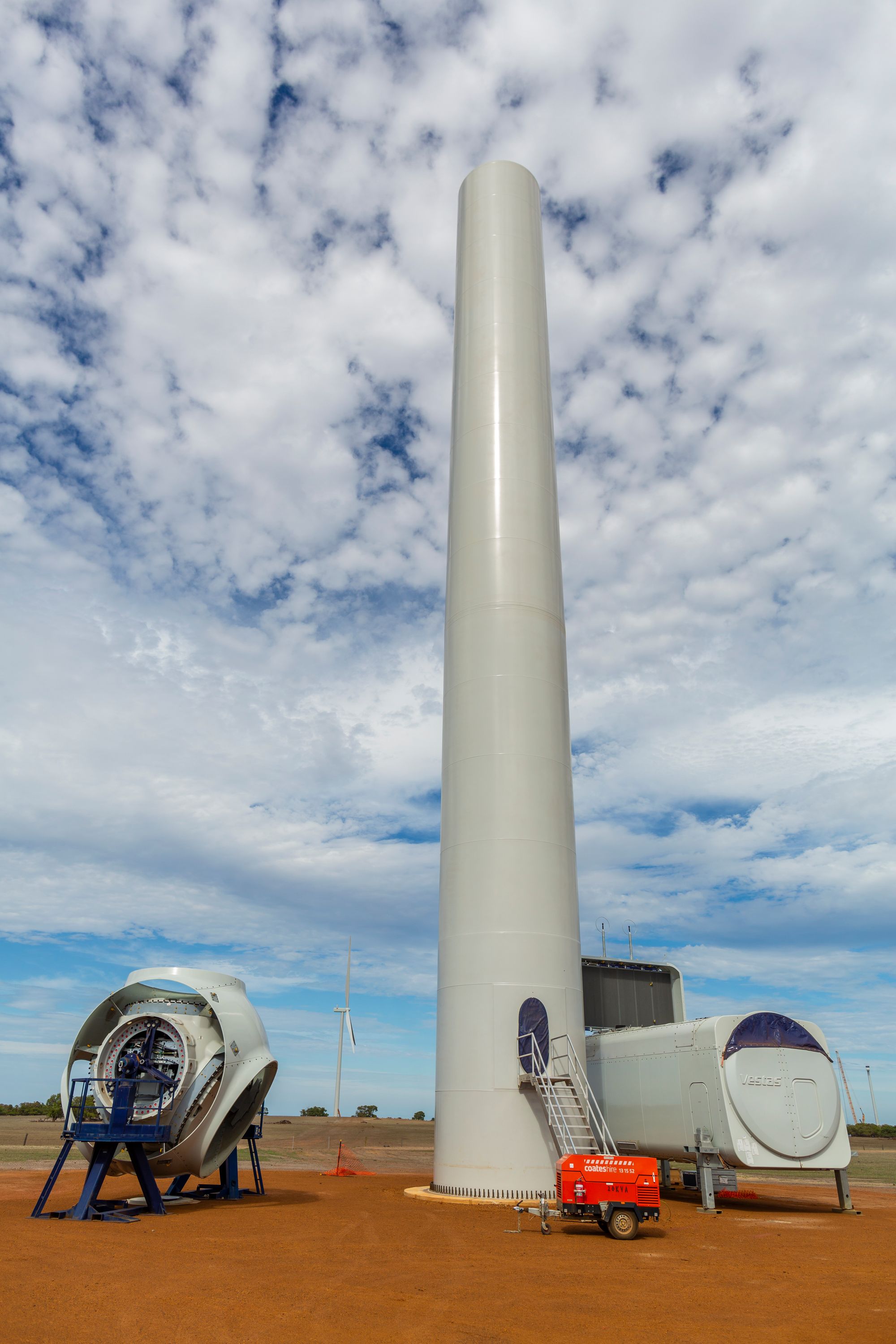
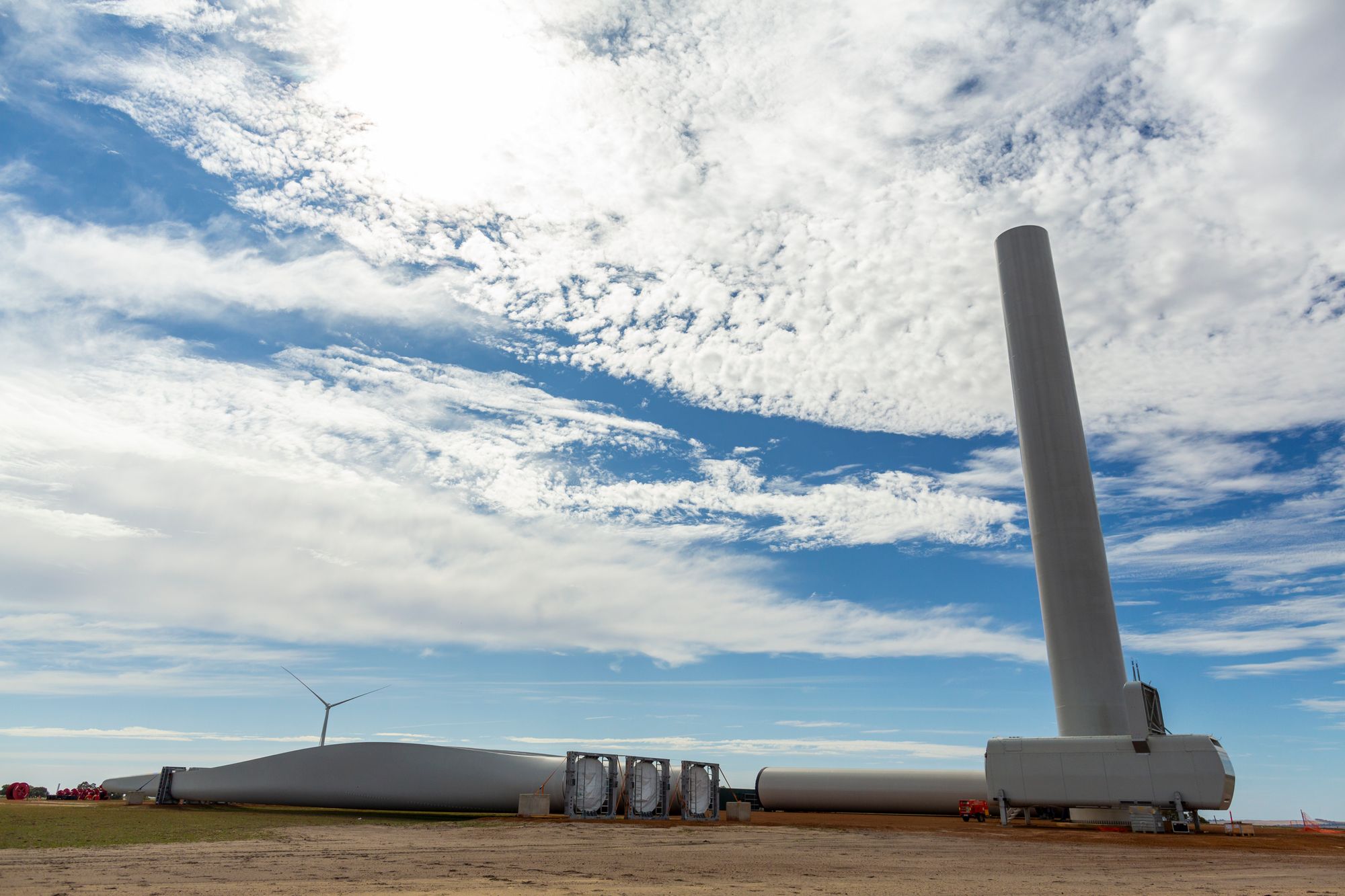
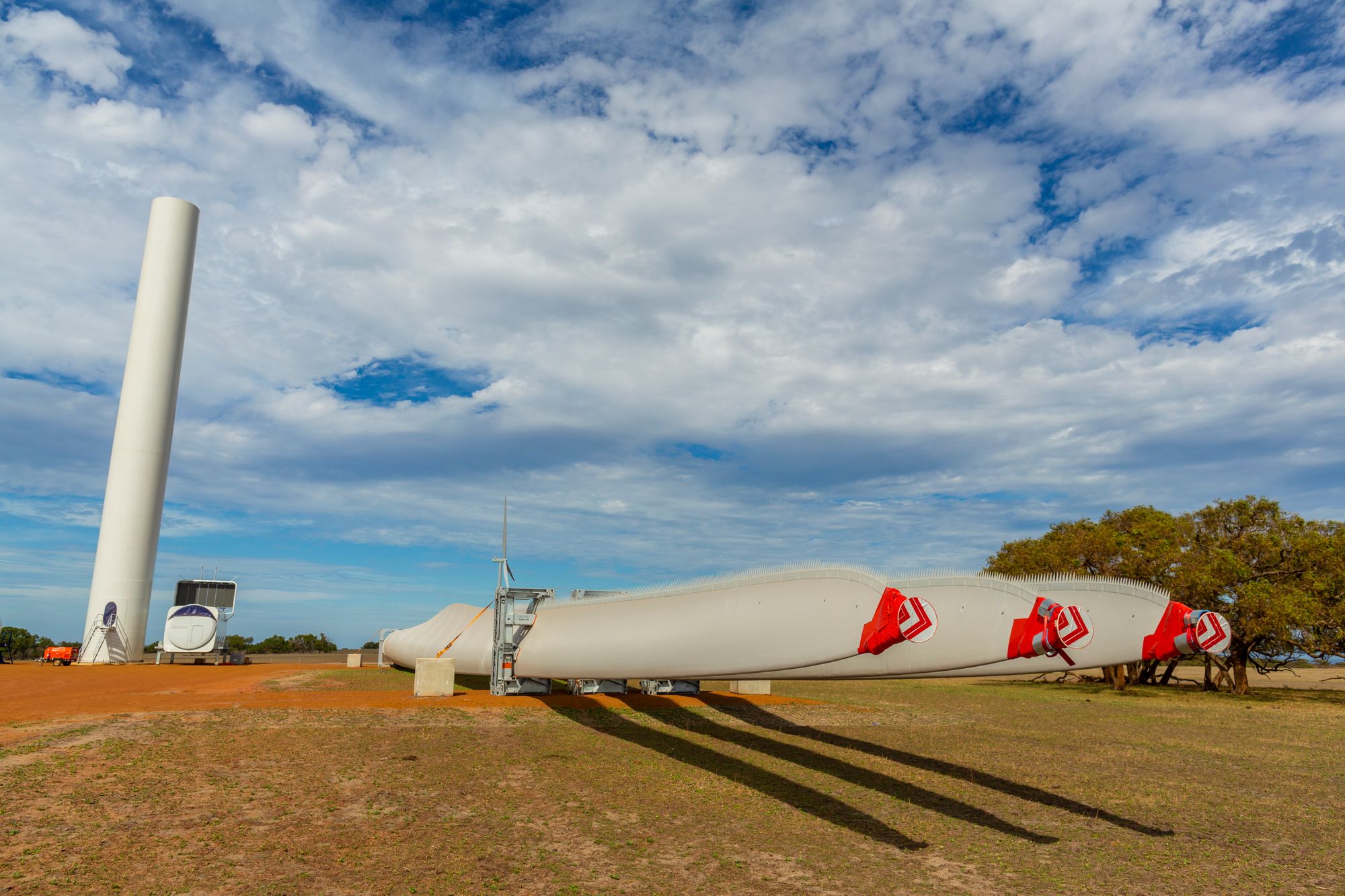
Construction of the Yandin wind farm. Source: Alinta.
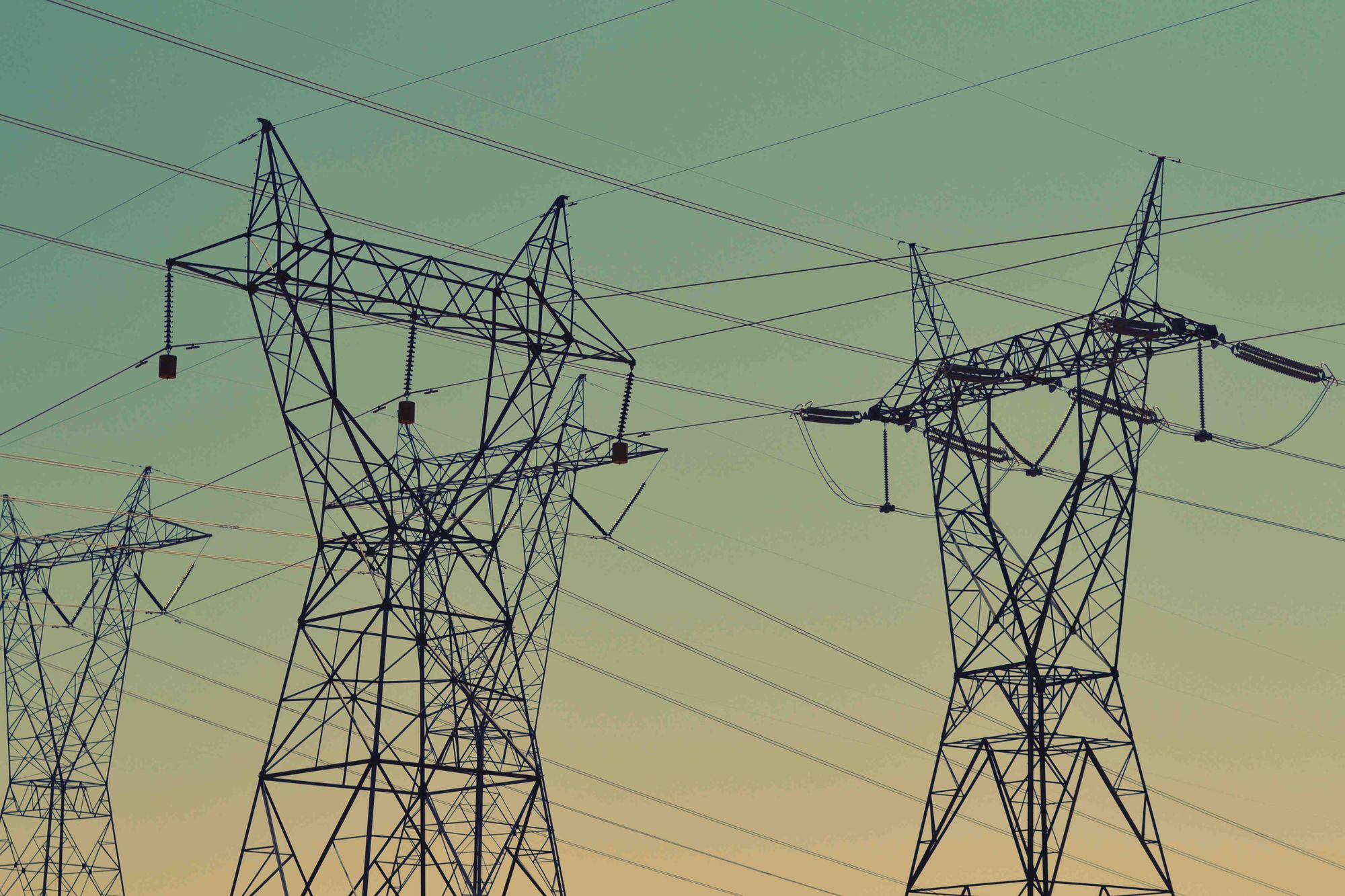
Wind farms in the Mid-West are connected to Perth with a transmission line, carrying 330kV on one side and 132kV on the other, which needs to be expanded before more wind farms are connected.
"I think it's a relatively small amount of money to convert that (132kV side) to 330 kV, and then you don't you don't have to worry, it becomes a very strong network," Bryant said.
Energy Minister Bill Johnston launched the State Government's Whole of System Plan in October 2020 that favoured wind farms between Mandurah and Manjimup as existing transmission capacity was sufficient.
Bryant said Alinta had not compared the two locations in detail, but a wind farm in the south with no costs for additional transmission but a lower capacity factor would probably be less attractive than a higher capacity wind farm in the north.
"I think it's fair to say that all the wind farm operators to the north will probably start to talk to the Government and Western Power about strengthening that part of the network," Bryant said.
"I think that will trigger the regulatory investment test for Western Power to look at the upgrading of that line."
A wind farm takes about seven years to develop. However, according to Bryant, four or five are under development in the Mid-West. Yandin already has approvals in place for about 40 turbines in addition to the 51 operating now.
Big battery go-ahead waiting on details
Big batteries may be too expensive for large scale storage of solar energy in the middle of the day for discharge in the evening, however, Bryant said they are needed to support high penetration of variable renewable energy.
Bryant said cloud cover over part of the network with a high density of residential solar could see a drop in up to 200MW of generation. Batteries and fast response gas turbines were an important part of the response.
Alinta plans to build a 100MW battery on the site of its Wagerup gas-fired power station. A final decision is waiting on the release of details of how the Essential Systems Services market will operate in WA so Alinta can model market rules and revenue streams in its business case.
"There's a good commercial opportunity there for us if the market plays out the way we believe it will," Bryant said.
Bryant said Alinta experienced how a battery can help a grid after operating its 30 MW unit at Newman in the Pilbara for three years.
"The first one is the non-thermal spinning reserve," Bryant said.
"Normally on a grid, you hold thermal generation online at partial load, so if one of the generators trips, those generators can increase their load to overcome any shortfall, so there's no loss of power."
Alinta now does not have to run an extra gas turbine inefficiently at part load. Instead, the battery can go from zero to full output in less than 0.1 seconds. In contrast, a gas turbine can only quickly pick up about a third of its capacity.
"They're very good in that contingent event of the loss of a gas turbine…for us that's probably the most important thing a battery does," Bryant said.
Battery at Alinta's Newman power station. Source: Alinta
The battery also lets Alinta operate the gas turbines at their most efficient level for more time. The battery absorbs and discharges power to match fluctuating loads, so turbines do not have to be switched on and off, reducing both emissions and fuel costs.
The battery also helped with frequency control, voltage support, and provided synthetic inertia, allowing the system to have more stable responses to upsets.
Bryant said an expected added benefit of the battery was that it absorbed shocks to the system when a large load like a conveyor or crusher tripped and 20MW of load disappeared, keeping the system stable.
"I think that's a particularly not well understood and definitely undervalued attribute that you have from a battery," Bryant said.
"In the SWIS, when solar energy fluctuates, you can imagine the battery is sitting there acting in reverse to the power to keep the system smooth and stable."
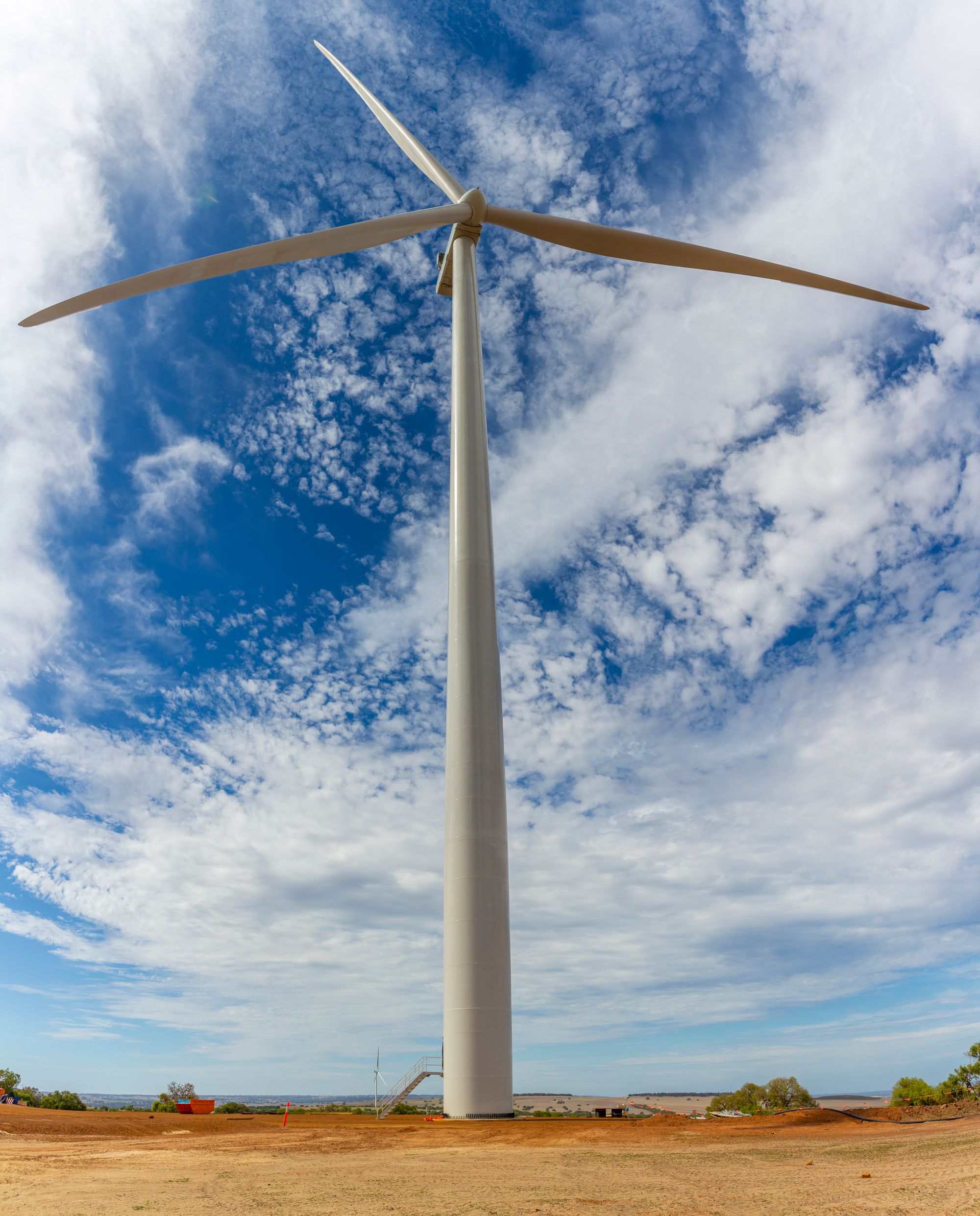
Main image: Wind turbine at Yandin wind farm. Source: Alinta
I worked in oil & gas in commercial and engineering roles for 20 years. Since 2016, I have written for The West Australian, WAtoday, The Guardian and Boiling Cold, winning five WA Media Awards.
South West WA's power grid reached a record 91 per cent peak renewable energy share in December - driven by 1,225 MW of new battery storage - while wholesale power prices fell 13 per cent and carbon emissions dropped 15 per cent as coal and gas generation declined.
The state-owned utility needs to replace the generation capacity it will lose by closing down all its coal-fired power stations over the next four years.
The operator of South West WA's power grid needs insolvent Griffin Coal to keep supplying a vital power station, but if the WA Government won't keep it going, who will?