

Government's Northern Endeavour oil vessel cleanup set to exceed $2b
Woodside sold the project to an insubstantial company to avoid a few hundred million in decommissioning costs: now it and its competitors will pay the price.
Woodside sold the project to an insubstantial company to avoid a few hundred million in decommissioning costs: now it and its competitors will pay the price.

The US-owned company is seeking funds from investors to stay a going concern while it awaits state and Federal approval.
WA Premier Mark McGowan warned Alcoa to lift its game or face curtailed mining, but his successor Roger Cook slashed water supply protections after a possibly empty threat from the US miner.
The US miner illegally destroyed the habitat of endangered black cockatoos for six years.


Alcoa has agreed to pay $55 million to restore a forest habitat that's home to protected species after clearing it for bauxite mining without approvals.
Alcoa has been given the green light to clear more Australian forest after being fined for stripping land for bauxite mining without approvals.
The US aluminium giant has agreed to pay $55 million to restore the environment as part of an enforceable undertaking reached with the federal government on Wednesday.
It relates to habitat destruction in the Northern Jarrah Forest, south of Perth, between 2019 and 2025.
"It's the largest conservation‑focused commitment of its kind," Federal Environment Minister Murray Watt said as he spruiked the deal.
The company did not seek the appropriate legal approvals to clear the land under the Commonwealth Environment Protection and Biodiversity Conservation Act 1999.
The agreement, which is enforceable in the Federal Court, will deliver permanent ecological offsets to preserve important habitat.
 Peter Milne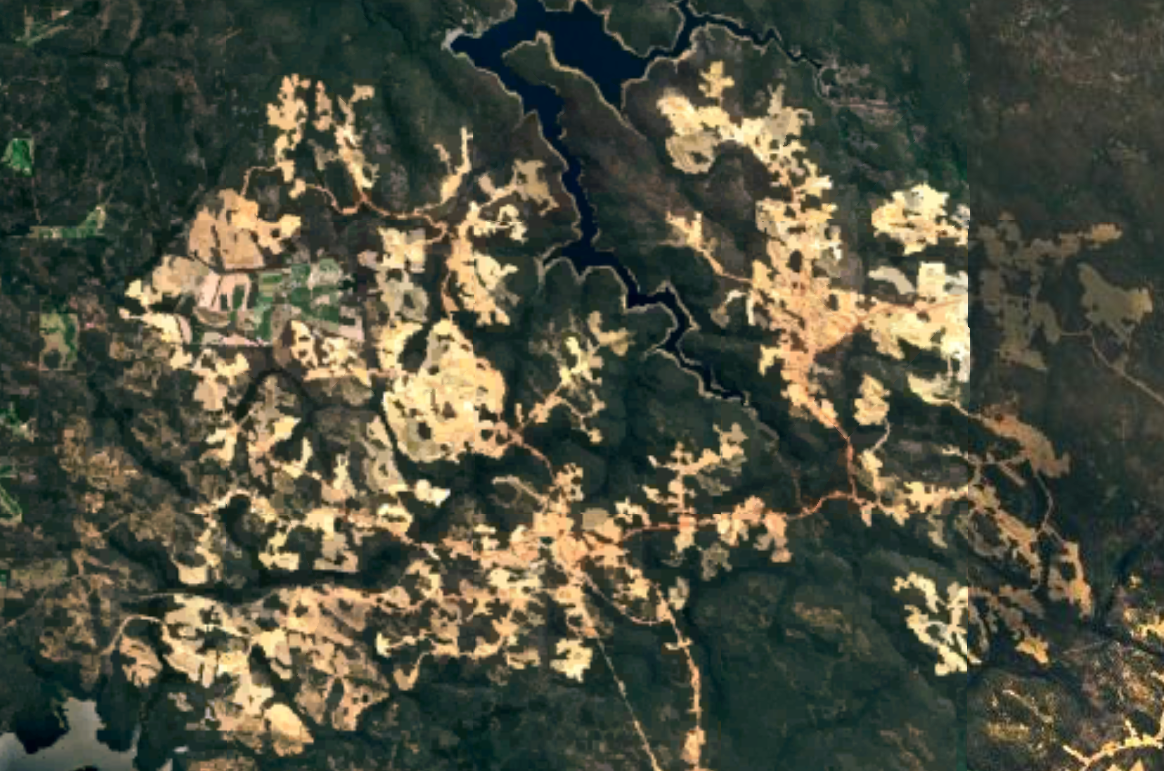
It will also expand conservation programs for species, including Western Australia's three black cockatoo species, and strengthen invasive‑species management within the Northern Jarrah Forest.
Senator Watt also granted Alcoa a national‑interest exemption to allow the company to continue land clearing for its mining operations for 18 months, while a strategic assessment is completed.
This will ensure the continued supply of bauxite for industry in Australia and with trade partners, he said.
It also ensures Alcoa can sustain its operations, which employ about 6000 workers.
Greens WA environment spokeswoman Jess Beckerling said the announcement reeked of a deal to enable further clearing of native jarrah forests.
"Alcoa has been granted a special free pass from Federal nature laws for 18 months, with the Environment Minister Murray Watt claiming the clearing is in the national interest," she said.
The miner has committed to pay $4.2 million in additional offsets for activities covered by the exemption for management of the environmental impacts.
The federal environment department and Alcoa have agreed to develop a strategic assessment agreement to enable future environmental approvals.
This will guide sustainable mining at Alcoa's Huntly and Willowdale mining operations, around 100km south of Perth, until 2045.
"This agreement will enable government to assess the cumulative environmental impacts of Alcoa's local mining operations and provide strong protections for threatened species and ecological communities, while offering Alcoa long-term operational certainty," Senator Watt said.
 Peter Milne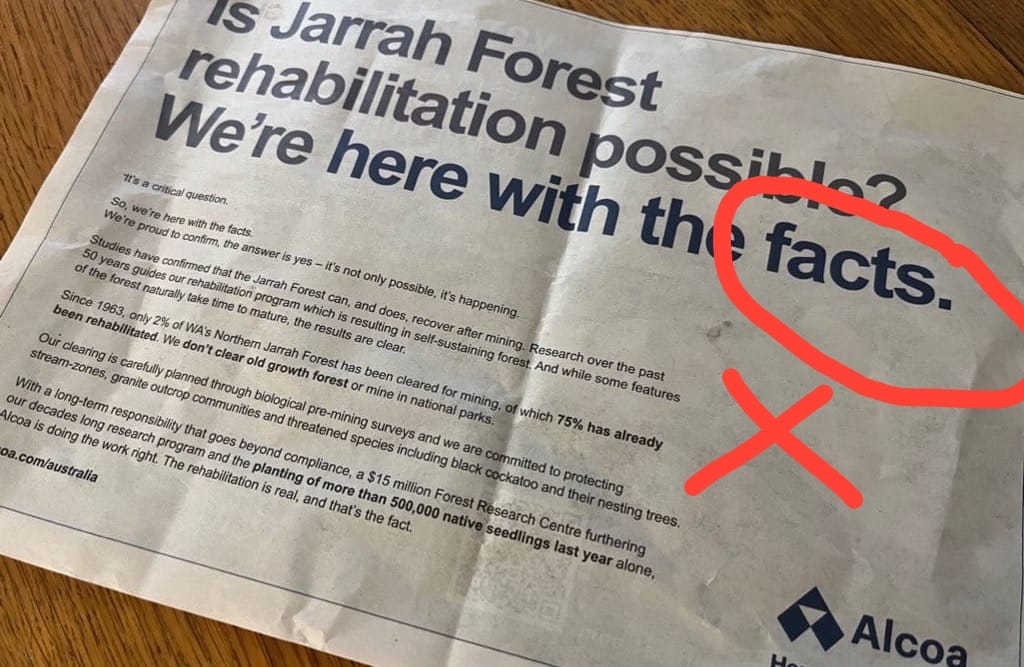
Alcoa said modernising the approvals framework will provide a better understanding of the potential impacts of land clearing and mining on significant flora and fauna into the future.
The company will continue to limit clearing to 800 hectares per year and increase new rehabilitation rates annually to 1,000 hectares per year by 2027.
"We are committed to responsible operations and welcome this important step in transitioning our approvals to a contemporary assessment process that provides increased certainty for our operations and our people into the future," Alcoa president and chief executive Bill Oplinger said.
The strategic assessment will not impact an ongoing accredited environmental assessment of the future Myara North and Holyoake mine regions of the Huntly mine under WA and federal environment law.
The Minerals Council of Australia said the agreement was a pragmatic decision by Alcoa and the federal government.
Chief executive Tania Constable called on state and federal governments to "rapidly finalise" workable national environmental standards and assessment agreements to reduce mine approval delays.
AAP copy by Aaron Bunch
UPDATES
18 February 2026, 4:10 PM: Comments from Greens added

Woodside sold the project to an insubstantial company to avoid a few hundred million in decommissioning costs: now it and its competitors will pay the price.

WA Premier Mark McGowan warned Alcoa to lift its game or face curtailed mining, but his successor Roger Cook slashed water supply protections after a possibly empty threat from the US miner.

A letter from the US miner raised hope that the jarrah forest inland from Perth would escape its strip mining for bauxite, but Alcoa is keeping its options open.

The US company will have a monopoly over WA bauxite mining and alumina refining, which it plans to operate for 40 years.
Every story straight to your inbox and the occasional round up of info and comment.