

Cash-poor Kimberley fracker Black Mountain expects WA decision soon
The US-owned company is seeking funds from investors to stay a going concern while it awaits state and Federal approval.
The US-owned company is seeking funds from investors to stay a going concern while it awaits state and Federal approval.

WA Premier Mark McGowan warned Alcoa to lift its game or face curtailed mining, but his successor Roger Cook slashed water supply protections after a possibly empty threat from the US miner.
UK-listed Georgina Energy plans to drill in the remote Little Great Sandy Desert in search of helium, hydrogen and natural gas.
The US-owned company is seeking funds from investors to stay a going concern while it awaits state and Federal approval.

Black Mountain Energy, which expects the assessment of 8000 appeals against its plan to frack for gas in the Kimberley to be "completed in the near term," is looking for additional funds to continue as a going concern.
The largely American-owned company told shareholders in a half-year update that a recommendation by WA's independent environmental watchdog, the EPA, in January that its Project Valhalla proceed, showed it was "unlikely to have a significant environmental impact."
The appeals against that recommendation are now with WA environment minister Matthew Swinbourn's Office of the Appeals Convenor, which started its investigation in April. When Swinbourn receives the Convenor's report, he will be free to decide if Valhalla proceeds, and if so, under what conditions.
Valhalla is likely to be the first of three contentious projects Swinbourn decides on in the next 12 months - with Woodside's Browse gas project and Alcoa's strip mining of the jarrah forest to follow.
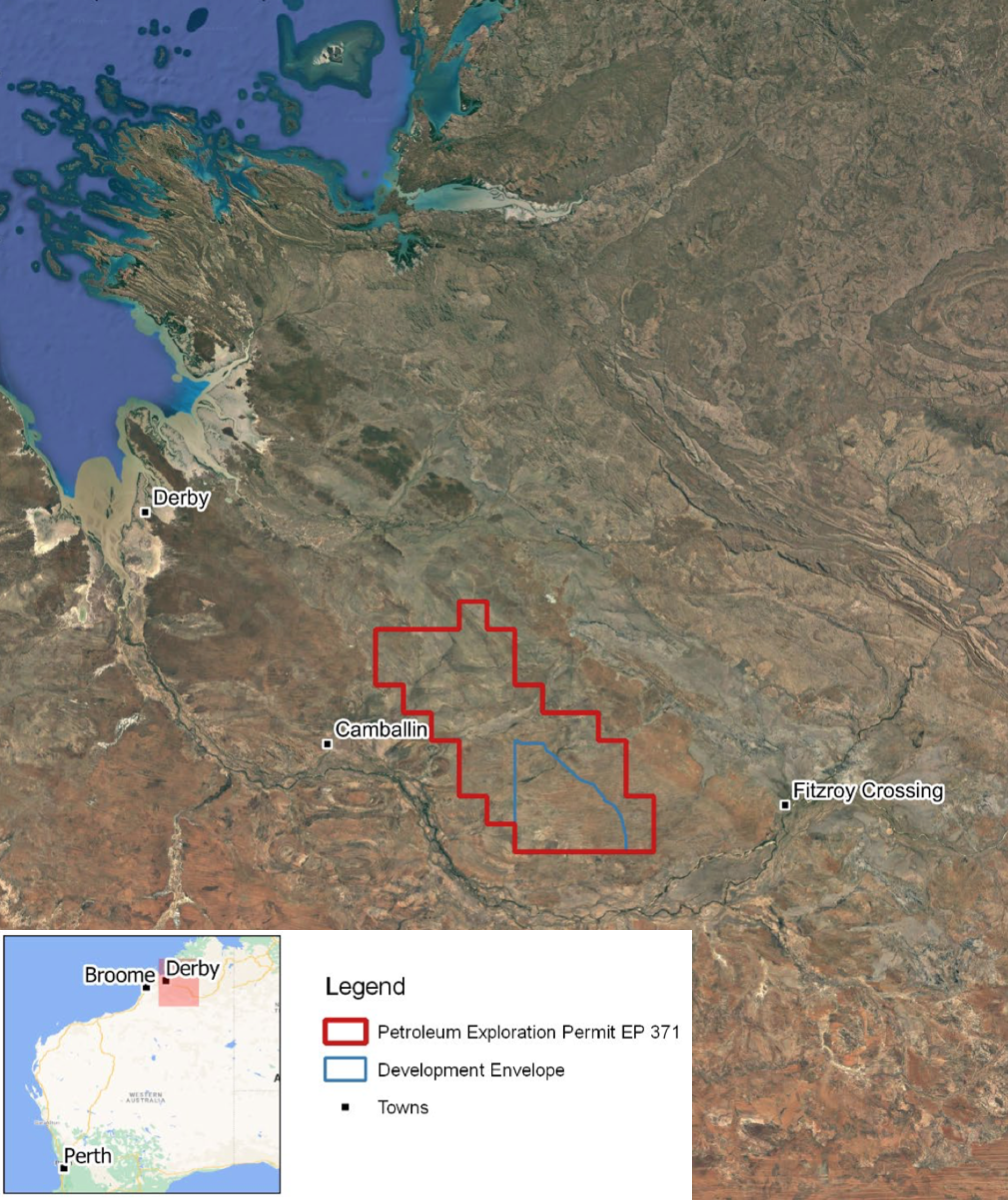
Black Mountain Energy (BME) executive chair Rhett Bennett said Project Valhalla could be a material resource for Western Australians. However, up to 87 per cent of the gas can be exported because in 2021 now-Premier Roger Cook exempted Black Mountain from a ban on exporting onshore gas.
BME also needs federal approval before it can start drilling up to 20 wells in the Canning Basin using hydraulic fracturing, or fracking, which involves pumping high-pressure water and chemicals underground to fracture the rock to improve gas flow.
Independent experts advising the Federal Government were less trusting of Black Mountain's proposal than the WA EPA.
They labelled BME's assessment "limited and disjointed," with profound gaps that led to "largely unsupported" conclusions about the risk imposed on water resources in the Fitzroy River catchment.
 Peter Milne
BME lost $1.4 million in six months, leaving it with $2.5 million in the kitty on June 30.
The financial statement approved by the directors on 11 September said the numbers indicated there was a "material uncertainty that may cast significant doubt on the Group's ability to continue as a going concern".
However, the directors believe BME can pay its bills through belt-tightening and fundraising, backed by a letter from its US parent, Black Mountain Canning LLC, confirming its intention to provide any financial support needed to allow BME to pay its bills for the next 12 months.
BME is considering a $3 million capital raising that its parent has committed to taking 74 per cent of, and is also seeking additional loans from a director and shareholder of the parent, most likely chairman Rhett Bennett.
The financial pressure BME will face in the next few years eased in August after the WA petroleum regulator allowed it to push back a commitment to drill an exploration well by January 2029.
The well was initially meant to be drilled by 2019 at a cost of $8 million when exploration permit EP 371 was granted in 2014, but the deadline has been continually pushed back for 12 years.
Given Black Mountain's financial fragility, if it is allowed to frack, the Minister for Mines and Petroleum would likely use his powers to require the company to procure insurance to cover decommissioning costs and any environmental incidents, adding a significant expense to the project.
UK-listed Georgina Energy, which plans to start drilling in the remote Little Great Sandy Desert in September 2026, appears to have been required to first procure liability insurance and specific cover for well control or pollution incidents.
If Project Valhalla does not proceed, BME must make all wells safe and restore the site, an effort it assigned a $3 million liability to.
 Peter Milne

UK-listed Georgina Energy plans to drill in the remote Little Great Sandy Desert in search of helium, hydrogen and natural gas.

WA Labor has used the advantages of incumbency to raise $1.6 million since May, ahead of a by-election in the once safe seat of Secret Harbour.

INPEX has spilled oil into Darwin Harbour, exposed offshore workers to dangerous mercury, and been prosecuted for under-reporting toxic emissions by more than 100-fold, all in the past 12 months.

The existing tax, PRRT, fails to capture a fair share of our vast gas exports.

Every story straight to your inbox and the occasional round up of info and comment.