

Government's Northern Endeavour oil vessel cleanup set to exceed $2b
Woodside sold the project to an insubstantial company to avoid a few hundred million in decommissioning costs: now it and its competitors will pay the price.
Woodside sold the project to an insubstantial company to avoid a few hundred million in decommissioning costs: now it and its competitors will pay the price.

The US-owned company is seeking funds from investors to stay a going concern while it awaits state and Federal approval.
WA Premier Mark McGowan warned Alcoa to lift its game or face curtailed mining, but his successor Roger Cook slashed water supply protections after a possibly empty threat from the US miner.
INPEX bypassed equipment and ignored procedures agreed with the regulator that together were meant to keep the toxic metal contained.

Japanese gas giant INPEX bypassed equipment and procedures at its Ichthys offshore gas facilities, exposing workers and the Indian Ocean off WA's Kimberley to toxic mercury, according to the offshore safety regulator.
The $37 billion company's actions since two mercury releases in 2025 to better contain the toxic metal have been inadequate, leading to "increased uncertainty regarding the environmental impacts and risks," according to a direction issued on Tuesday by the National Offshore Petroleum Safety and Environmental Management Authority (NOPSEMA).
On August 29, workers on the Ichthys Explorer central processing platform in the Browse Basin were told they had been exposed to mercury sulphate, The Australian reported.
Just three weeks later, on September 18, mercury sulphide spilled into the ocean from both the Ichthys Explorer central processing platform and the Ichthys Venturer floating production facility, a NOPSEMA spokeswoman said. The project was shut down at the time for planned maintenance.
She said the second incident was not a concern for workers' health and safety.
"As this is an active regulatory matter, NOPSEMA will not provide further comment at this stage."
NOPSEMA investigations to date found INPEX bypassed equipment and changed procedures, contrary to its environment plan agreed with the regulator. These unauthorised actions "materially changed" mercury emissions and discharges.
 Peter Milne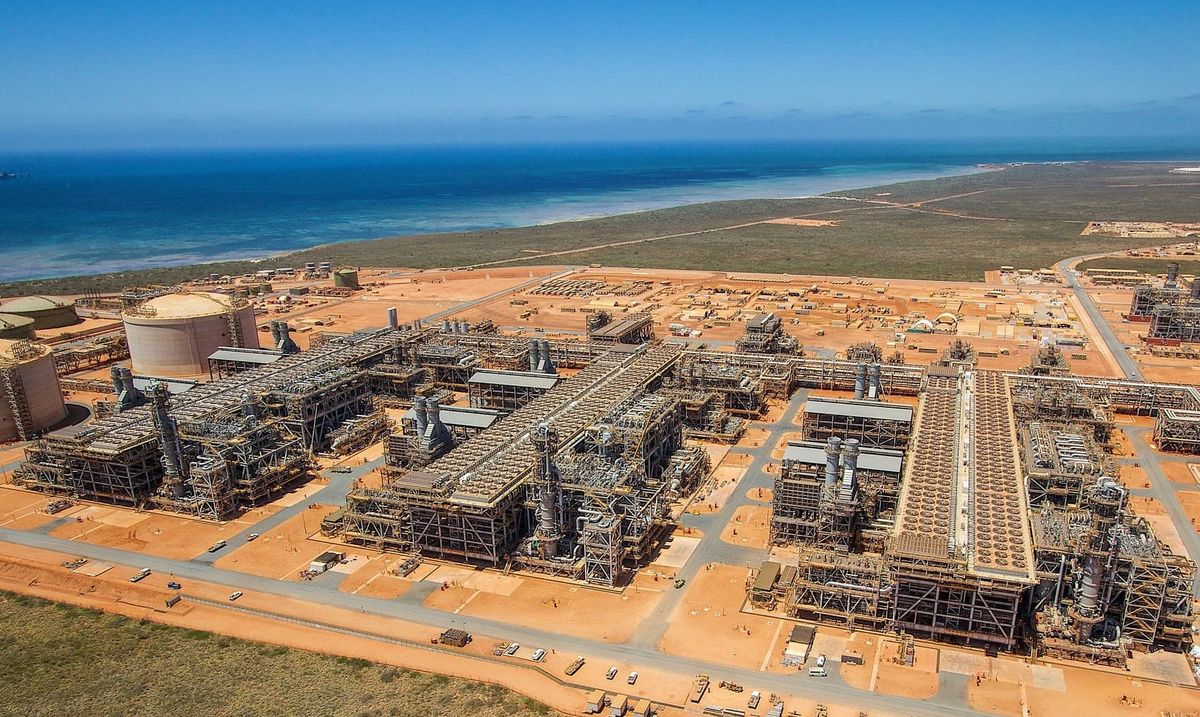
INPEX identified the changes as contributing to the second release of mercury, according to the NOPSEMA direction.
The regulator slammed INPEX's efforts so far to make the platform safer as inadequately "characterised, quantified, or validated through monitoring or analysis"
NOPSEMA concluded it could not be sure INPEX is managing its offshore facilities in a way that protects the environment, so has directed the firm to take a series of actions.
INPEX must launch an independent expert review of its management of mercury and then develop and implement a plan to reduce the risk from mercury to as low as reasonably practicable.
INPEX Senior Vice President Corporate, Bill Townsend, said INPEX took the matters raised by NOPSEMA seriously.
"We are working constructively with the offshore regulator to address the matters ... and further strengthen our systems and controls."
"Worker health screening, conducted in accordance with Safe Work Australia guidance, found mercury levels within the range typically observed in the general population," he said.
 Peter Milne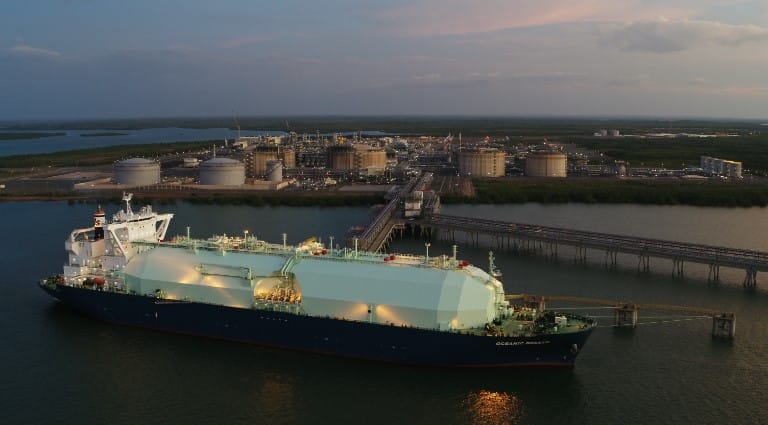
The Ichthys project's safety and environmental performance have also been found wanting on land.
The gas from the Ichthys field is piped 1000km to a processing plant near Darwin, where an independent review has found INPEX had "systematically underestimated" toxic emissions since 2018.
INPEX reported to authorities that its gas export plant emitted 4 tonnes of dangerous benzene in the 12 months to June 2024, but the true amount was 557 tonnes, more than 100 times higher.
This week, it was reported that two years ago, a medical advisory committee warned the NT Government about the health risks posed by the plant's emissions, but no action was taken.
The Ichthys LNG project is operated by INPEX, which has a 68 per cent stake. Other owners are Total Energies (26 per cent) and four Japanese and Taiwanese energy utilities.

The US-owned company is seeking funds from investors to stay a going concern while it awaits state and Federal approval.

UK-listed Georgina Energy plans to drill in the remote Little Great Sandy Desert in search of helium, hydrogen and natural gas.

WA Labor has used the advantages of incumbency to raise $1.6 million since May, ahead of a by-election in the once safe seat of Secret Harbour.

INPEX has spilled oil into Darwin Harbour, exposed offshore workers to dangerous mercury, and been prosecuted for under-reporting toxic emissions by more than 100-fold, all in the past 12 months.
Every story straight to your inbox and the occasional round up of info and comment.