Santos' decommissioning liability matches a quarter of its $22b value, but its disclosures to investors fared poorly against the latest accounting standards, according to an international survey.
Investors beware: after spending more than $40 million in the Canning Basin, the US-owned company's continued pursuit of remote gas appears to be throwing good money after bad.
Black Mountain Energy (BME) has conducted a "limited and disjointed" assessment of the risk to water resources posed by its planned drilling and reached "largely unsupported" conclusions, according to scientists advising the Federal Government.
The damning advice from the Independent Expert Scientific Committee on Unconventional Gas Development (IESC) was published in December, just weeks before an expected recommendation from WA's independent Environmental Protection Authority (EPA).
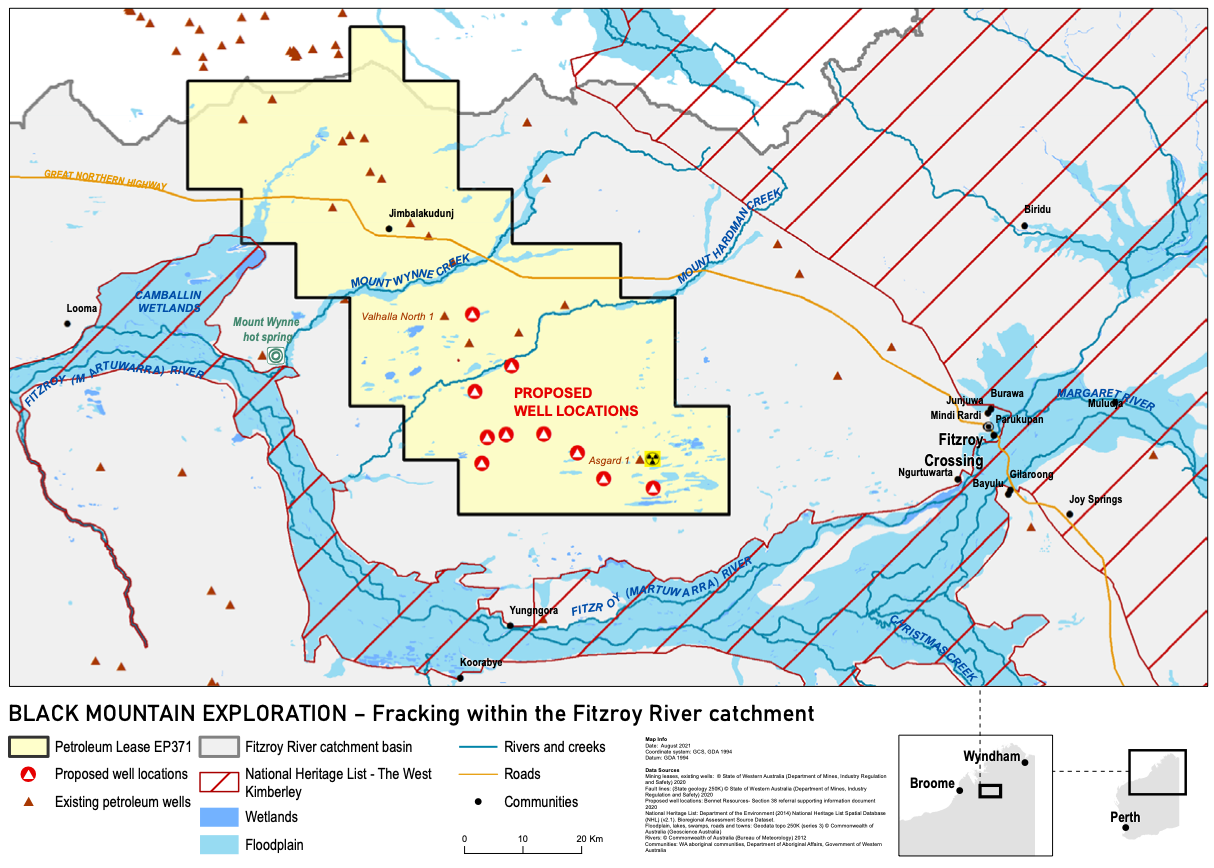
BME, owned mainly by its Texas-based chief executive, Rhett Bennett, needs approval from both the WA and Federal Governments to drill 20 wells in the remote Kimberley using the controversial hydraulic fracturing, or fracking, technique.
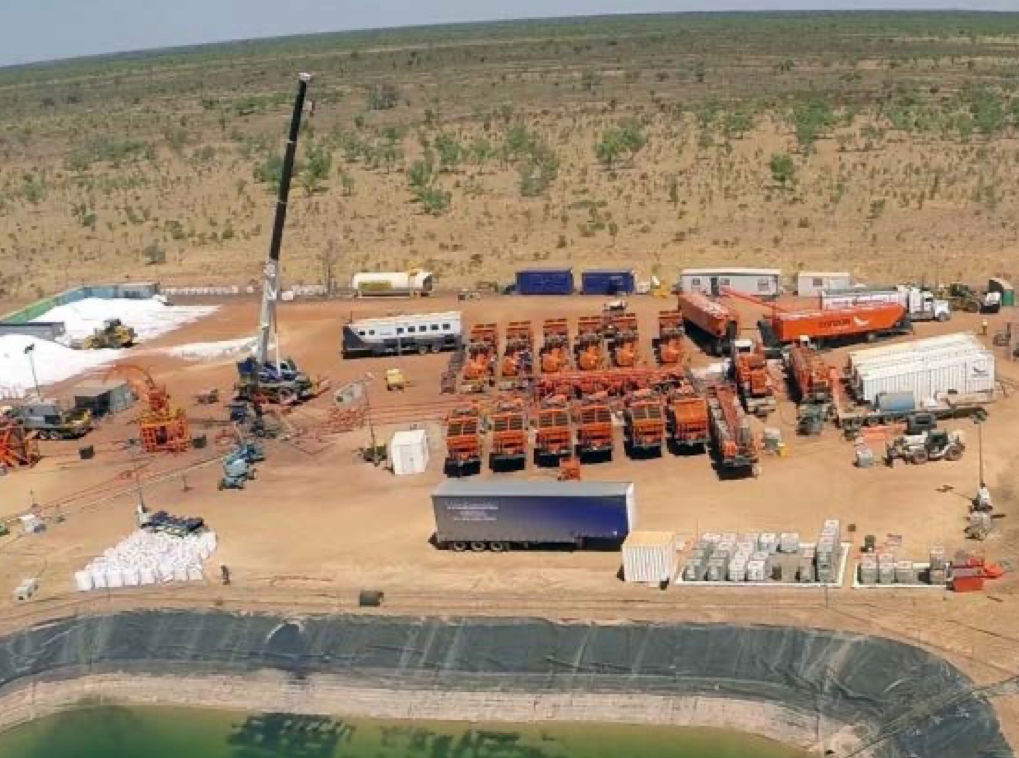
The wells, located in the catchment for the Fitzroy River, will each require 100 million litres of underground water, mixed with chemicals, to be injected at high pressure to fracture the rock and allow gas to flow to the surface more freely.
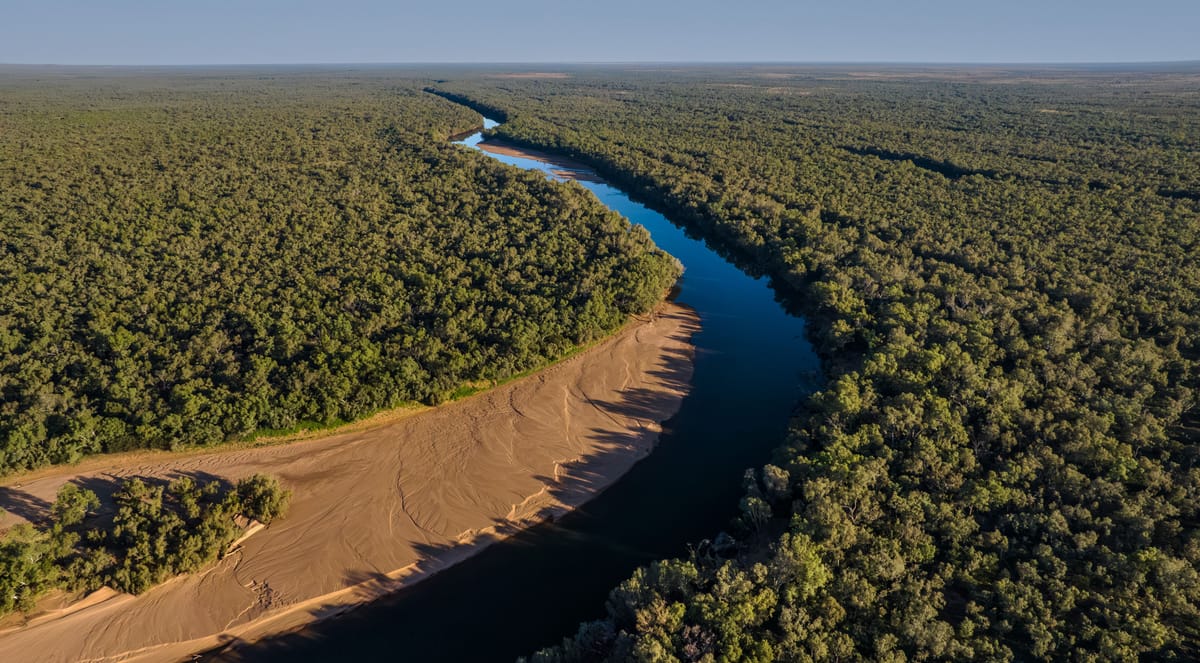
Mount Hardman Creek runs through the project area into the Fitzroy River. Map: Environs Kimberley
Shaun Clark, fracking campaigner with Environs Kimberley, said the IESC advice confirmed its fears that fracking risked local aquifers and the nearby National Heritage-listed Martuwarra Fitztroy River.
"The knowledge gaps and information failures identified and highlighted by the IESC are profound and cannot be ignored," he said.
Clark wants the EPA to suspend any potential approval recommendation pending a full review of the advice.
BME subsidiary Bennett Resources referred its plans, dubbed "Project Valhalla", to the EPA in 2021, but only started the federal approval process in late 2024.
The Federal Department of Climate Change, Energy, the Environment and Water (DCCEEW) decided in February 2025 to assess the drilling after finding BME's conclusion that its drilling will not affect water resources was without foundation.
The federal regulator was also concerned about threatened species and protecting the West Kimberley, which is designated as a National Heritage Place.
The Federal environment regulator was concerned about Black Mountain's plans even before it received the damning independent expert's report.
In October, DCCEEW requested the IESC, which advises government regulators on the potential impacts on water resources to ensure their decisions are based on the best available science, to consider Valhalla.
The independent scientists found the information Black Mountain used in its "limited and disjointed" environmental assessment was "not sufficient to assess the project’s potential impacts" on water, and its conclusions about potential impacts were "largely unsupported."
The modelling of water flows was inadequate to determine the impact of accidental contamination.
One of Black Mountain's rejected conclusions was that Mount Hardman Creek, which runs through the drilling area and into the Fitzroy River, would not be affected by the drilling.
The scientists questioned whether "given the potential toxicity of many of the contaminants," Black Mountain's plans to store waste water were adequate.
The "somewhat simplistic" sizing of water retention ponds did not allow for increased rainfall from global warming that is already occurring, leading to a risk of overflow into the surrounding environment.
Black Mountain also did not adequately justify its assumption that water acquifers could not be contaminated through naturally occuring underground faults or those caused by the high pressures of fracking.
Black Mountain's chairman George Witman, said the company does not have the resources to develop its fracking project.
Black Mountain has pursued plans to produce gas in the Kimberley for six years, with the hope that a 1000km-long pipeline could be built to Woodside's underutilised North West Shelf gas export plant.
It had a brief time on the ASX until it delisted in late 2023 due to investor indifference after spending more than $40 million on Project Valhalla.
The company had less than $5 million in the bank in mid-2025.
Black Mountain did not respond to Boiling Cold's questions.
🗞️
Want to see more Boiling Cold stories on Google search? Don't let algorithms make decisions for you CLICK HERE to add Boiling Cold as a preferred source.
I worked in oil & gas in commercial and engineering roles for 20 years. Since 2016, I have written for The West Australian, WAtoday, The Guardian and Boiling Cold, winning five WA Media Awards.
Investors beware: after spending more than $40 million in the Canning Basin, the US-owned company's continued pursuit of remote gas appears to be throwing good money after bad.
Chief executive Bill Oplinger told Wall Street the miner had responded to all 60,000 comments on its WA expansion plans—in fact, it responded to fewer than 10, and some were unacceptable.
The WA government will soon decide whether Black Mountain Energy can frack 20 wells near the Kimberley's Fitzroy River, but promised measures to protect the environment and the rights of local people are not yet in place.