

Glitch shuts Australia's biggest maker of vital fertiliser input for two months
The shutdown of the Yara Pilbara plant comes as a quarter of global trade in ammonia, used for urea fertiliser and mining explosives, is blocked by war.
The shutdown of the Yara Pilbara plant comes as a quarter of global trade in ammonia, used for urea fertiliser and mining explosives, is blocked by war.

With WA's days of cheap and abundant gas coming to a close, the chances of onshore gas being exported are shrinking fast.
No profit, falling production, inadequate maintenance, a safety plan in limbo and a big clean-up if exploration fails: challenges aplenty at the Canadian company's only offshore facility.
The WA government will soon decide whether Black Mountain Energy can frack 20 wells near the Kimberley's Fitzroy River, but promised measures to protect the environment and the rights of local people are not yet in place.

The WA Labor Government has missed its own deadline to regulate hydraulic fracturing by five years, with eight of 20 promised protections still incomplete ahead of its first fracking decision on a Kimberley project.
The Government committed to implementing all the safeguards against fracking recommended by an independent inquiry by December 2020, but the job is barely half done.
Then Premier Mark McGowan said the government would "implement all of the inquiry's recommendations before any fracking production approvals are granted."
A spokesman for Mines and Petroleum Minister David Michael said the Government’s position has not changed, and it intended to complete all 20 items before granting production approvals.
Michael's Department was asked when all the safeguards would be in place. A spokesperson said the remaining actions are subject to ongoing work, with announcements to be made in the near future.
A Kimberley environmental group that opposes fracking has called on the government to honour its promise to consult before it implements the remaining protections.
Incomplete measures include the vital, enforceable Code of Practice that would set minimum standards for fracking, and legislation that would grant Traditional Owners and private landholders a veto.
In January, the WA Environmental Protection Authority recommended that US-owned Black Mountain Energy be allowed to frack up to 20 wells in the West Kimberley, near the Fitzroy River.
Fracking, or hydraulic fracturing, involves pumping a mixture of water and chemicals down a drilled hole at high pressure to crack the underground rock, allowing oil and gas to flow more freely. In contrast, oil and gas from conventional wells can rise to the surface without fracturing.
 Peter Milne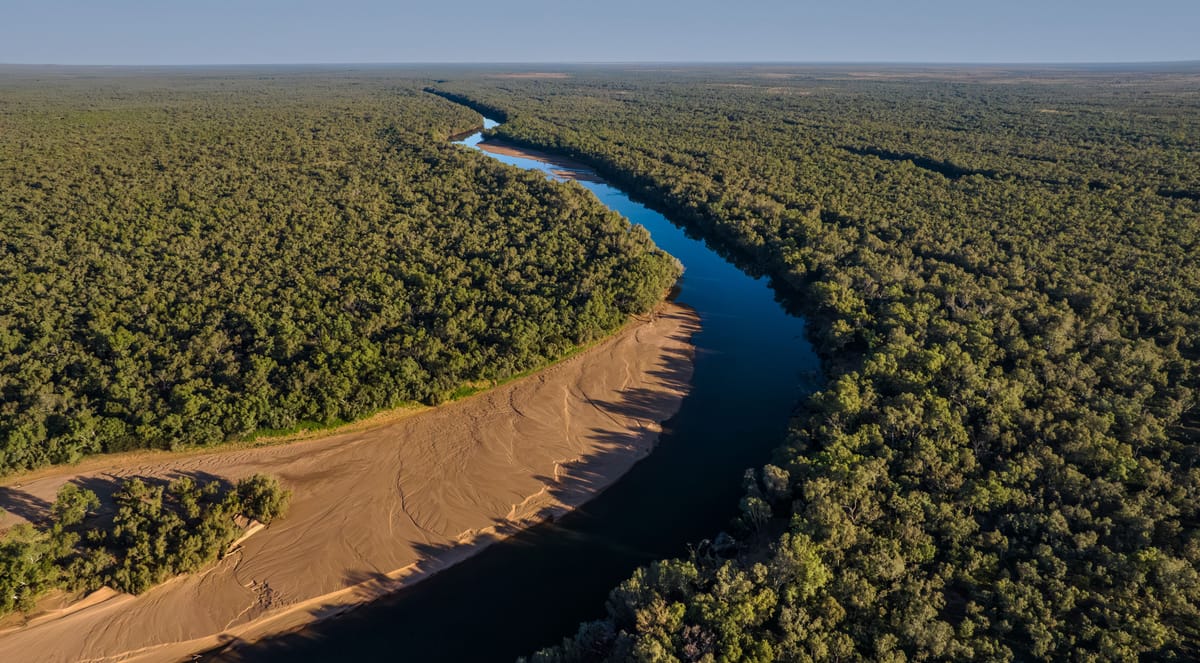
The practice is controversial because of the large volumes of water required to crack the rock, the risk of contaminating water sources with the chemicals, and the far greater number of wells required, which increases the above-ground environmental impact.
The next steps for Black Mountain's Project Valhalla's approval are for the Appeals Convenor to consider any appeals, many of which are expected, and then prepare a report for Environment Minister Matthew Swinbourn. He then decides whether the project will proceed and, if so, under what conditions.
Swinbourn could approve the project before the safeguards are finalised, knowing that secondary approvals such as the Code of Practice would be applied before anything happened on the ground.
However, Black Mountain would be unlikely to financially commit to the project before it knew all the restrictions it had to comply with.
The 2019 Implementation Plan committed the Government to seek public comment on draft solutions and publish its responses for many of the actions: including the eight outstanding ones.
Environs Kimberley executive director Martin Pritchard said the WA government had not kept its promise to consult the community and Traditional Owners about the regulations it committed to from the fracking inquiry.
"Fracking has the potential to industrialise the Kimberley and threaten the Fitzroy River and communities that rely on it," he said.
"We’re calling on Premier Roger Cook to stick to his promises and consult the community if he’s serious about developing a fracking Implementation Plan.”
 Peter Milne

The shutdown of the Yara Pilbara plant comes as a quarter of global trade in ammonia, used for urea fertiliser and mining explosives, is blocked by war.

With WA's days of cheap and abundant gas coming to a close, the chances of onshore gas being exported are shrinking fast.

No profit, falling production, inadequate maintenance, a safety plan in limbo and a big clean-up if exploration fails: challenges aplenty at the Canadian company's only offshore facility.

Australia's biggest oil and gas producer has posted record production and cut costs, but weak fossil fuel prices have weighed on profits

All the info and a bit of comment on WA energy, industry and climate every Friday