WA Premier Mark McGowan warned Alcoa to lift its game or face curtailed mining, but his successor Roger Cook slashed water supply protections after a possibly empty threat from the US miner.
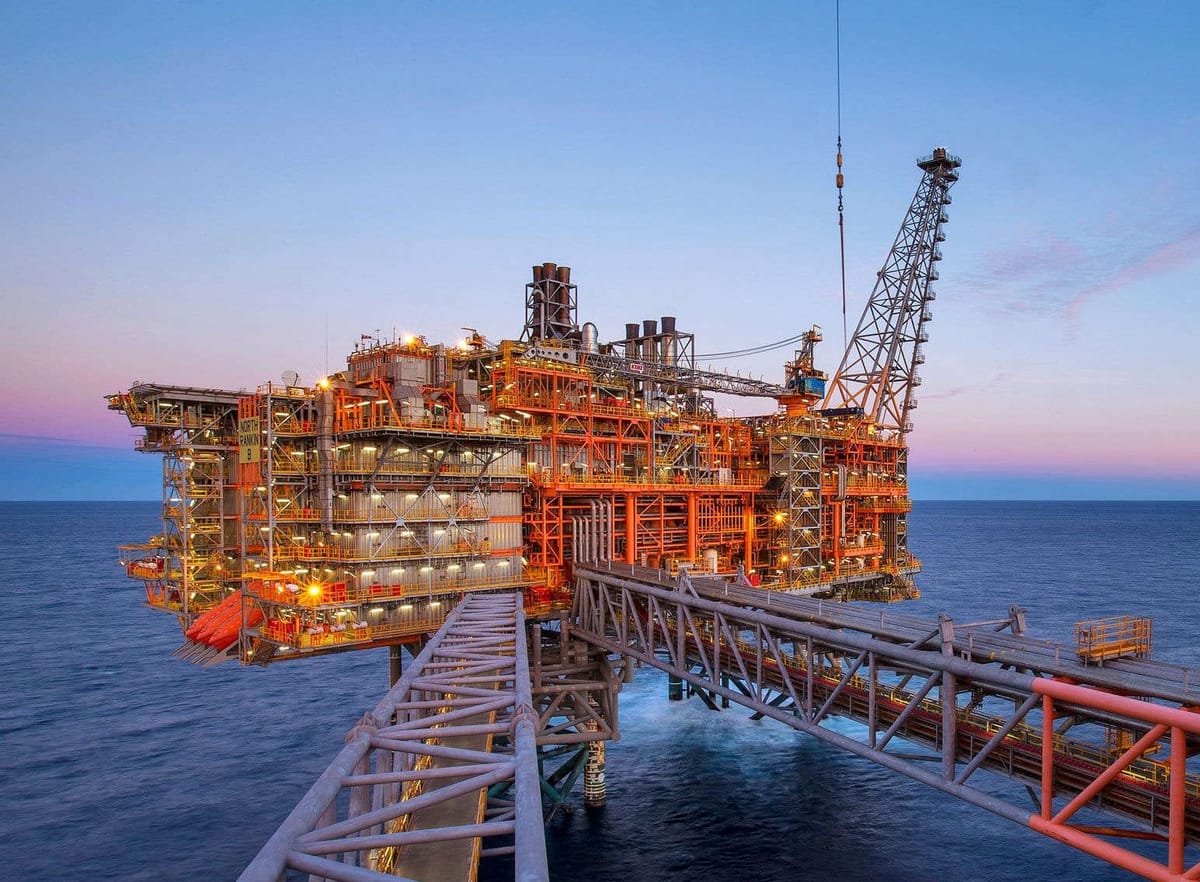
Just 50km from Exmouth, oil production equipment attached to a tangled mess of pipelines remains on the seabed after an offshore construction vessel with a string of safety incidents returned to Singapore.
Woodside engaged the advanced offshore construction vessel DLV 2000 owned by US firm McDermott to clean up the non-producing Stybarrow oil field it inherited when it bought BHP's petroleum division in 2022.
However, the decommissioning work was plagued by at least three serious safety incidents involving lifting equipment, and now the biggest lift - of a disconnectable turret mooring (DTM) weighing more than 700 tonnes - will have to wait for another expensive mobilisation of a heavy lift construction vessel to Australia's north west.
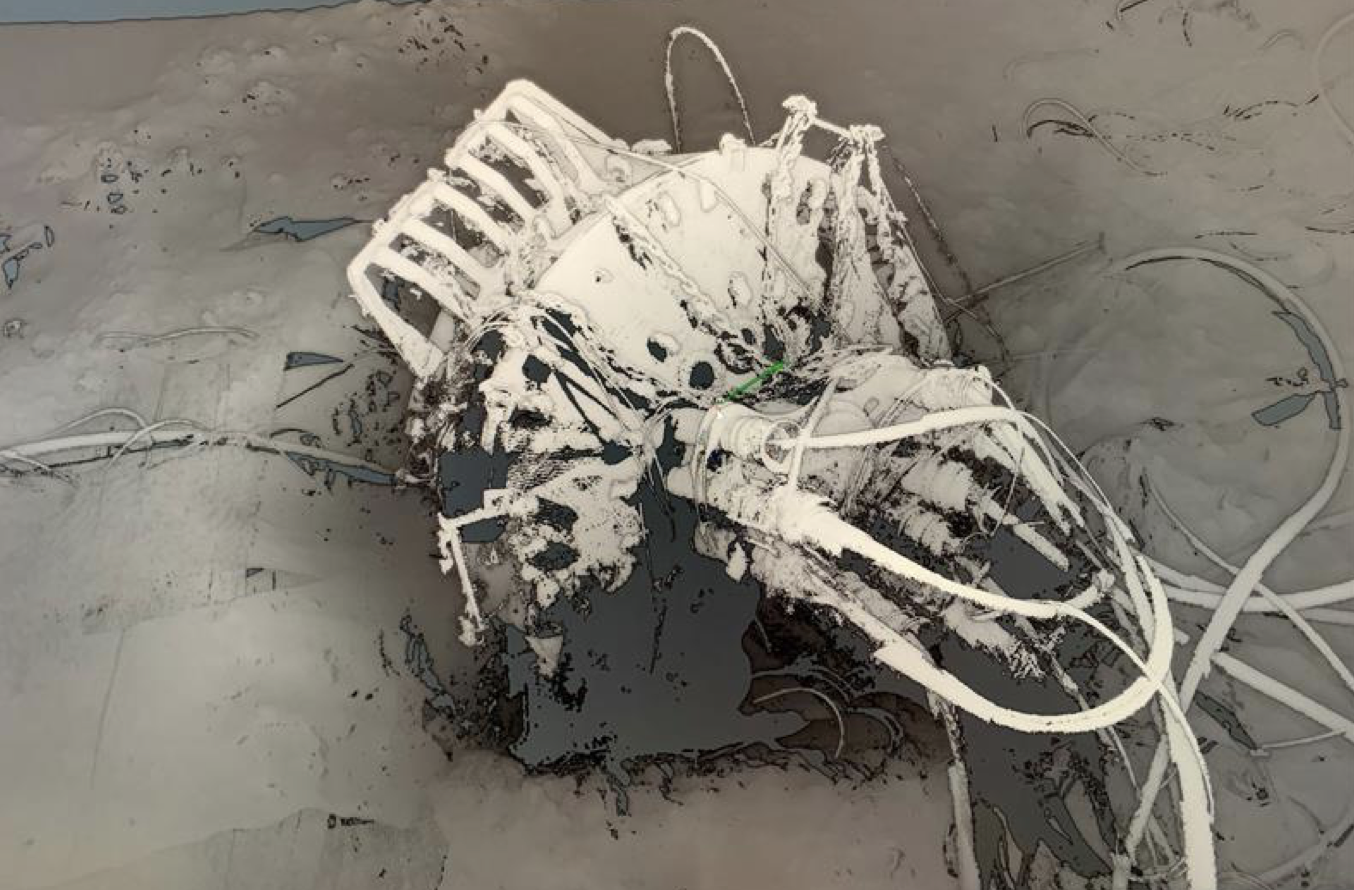
Sonar image of the DTM and tangled flexible pipelines on the seabed. Source: Woodside
The early April departure of the DLV 2000 pushes the completion of Stybarrow decommissioning past the March 2025 deadline set by offshore safety and environment regulator NOPSEMA in 2021.
BHP produced oil at Stybarrow from 2007 to 2015, then removed the floating production vessel, flushed the pipelines, shut in and capped the wells. The next year, the DTM that had connected the production vessel to pipelines on the seabed unexpectedly sank to the seabed 825m below, with the pipelines still attached.
A NOPSEMA spokeswoman said the agency was aware that the removal of some equipment, including the DTM, had been delayed and was monitoring Woodside's progress to ensure its removal.
A Woodside spokeswoman said it had made substantial progress at Stybarrow, including making 10 disused oil wells safe, and would continue the work detailed in plans accepted by NOPSEMA.
"Across all activities, our priority remains the safety of people and the environment," she said.
The work on Stybarrow is part of a surge in offshore decommissioning in Australia that started in 2021 when the regulator NOPSEMA started issuing legally enforceable directions rather than just waiting for companies to do the right thing.
When Woodside completed its purchase of BHP's petroleum division in 2022, it inherited equity in four assets with decommissioning directives: Stybarrow and Griffin in WA; and Minerva and ExxonMobil's operations in the Bass Strait.
In recent years, Woodside has successfully performed two major lifts to decommission oil fields off the WA coast.
The Griffin riser turret mooring, made of 14500 tonnes of steel, was raised in December 2024 and is now being deconstructed in WA in preparation for recycling.
The Griffin riser turret morring was lifet ti the surface in
In February, Woodside spooked some investors when it revealed it may spend up to $US1 billion ($1.6 billion) this year on decommissioning, double what some analysts were expecting.
I worked in oil & gas in commercial and engineering roles for 20 years. Since 2016, I have written for The West Australian, WAtoday, The Guardian and Boiling Cold, winning five WA Media Awards.
INPEX has spilled oil into Darwin Harbour, exposed offshore workers to dangerous mercury, and been prosecuted for under-reporting toxic emissions by more than 100-fold, all in the past 12 months.