WA Premier Mark McGowan warned Alcoa to lift its game or face curtailed mining, but his successor Roger Cook slashed water supply protections after a possibly empty threat from the US miner.
Chevron sells greenhouse-impact certified LNG to Singapore
Singapore's Pavilion Energy will buy Australian LNG from Chevron with certified greenhouse emissions, in another sign that Asian buyers are favouring less carbon-intensive gas.
Chevron will sell half a million tonnes a year of Australian LNG to Singapore accompanied by a statement of the greenhouse gas emissions generated from the wellhead to arrival in Singapore.
The deal announced today between Pavilion Energy and a Chevron subsidiary in Singapore will run from 2023 to 2029.
Pavilion is owned by Temasek, a Singapore Government sovereign wealth fund, and supplies one-third of Singapore's gas demand.
The Chevron deal followed an agreement Pavilion signed in November 2020 with Qatar Petroleum for 1.8 mtpa of LNG for 10 years, also from 2023 with a requirement for a statement of greenhouse gas emissions.
Bidders were expected to put in significant resources to develop a reporting methodology for greenhouse gas emissions and develop plans to reduce those emissions.
At the time Pavilion chief executive Frederic Barnaud told Reuters that the company wanted to work with industry to develop standardisation, certification and price transparency for emissions reduction or offset certificates in Asia.
"I am confident that a bold, ambitious and uncompromising industry collaboration will boost our own efforts towards achieving a meaningful impact,” Barnaud said today.
Pavilion also wants to develop a marketplace and trading hub for so-called green LNG.
Is is understood Chevron will source the LNG from its share of production from the North West Shelf, Gorgon and Wheatstone LNG plants, with most cargoes sailing from Gorgon.
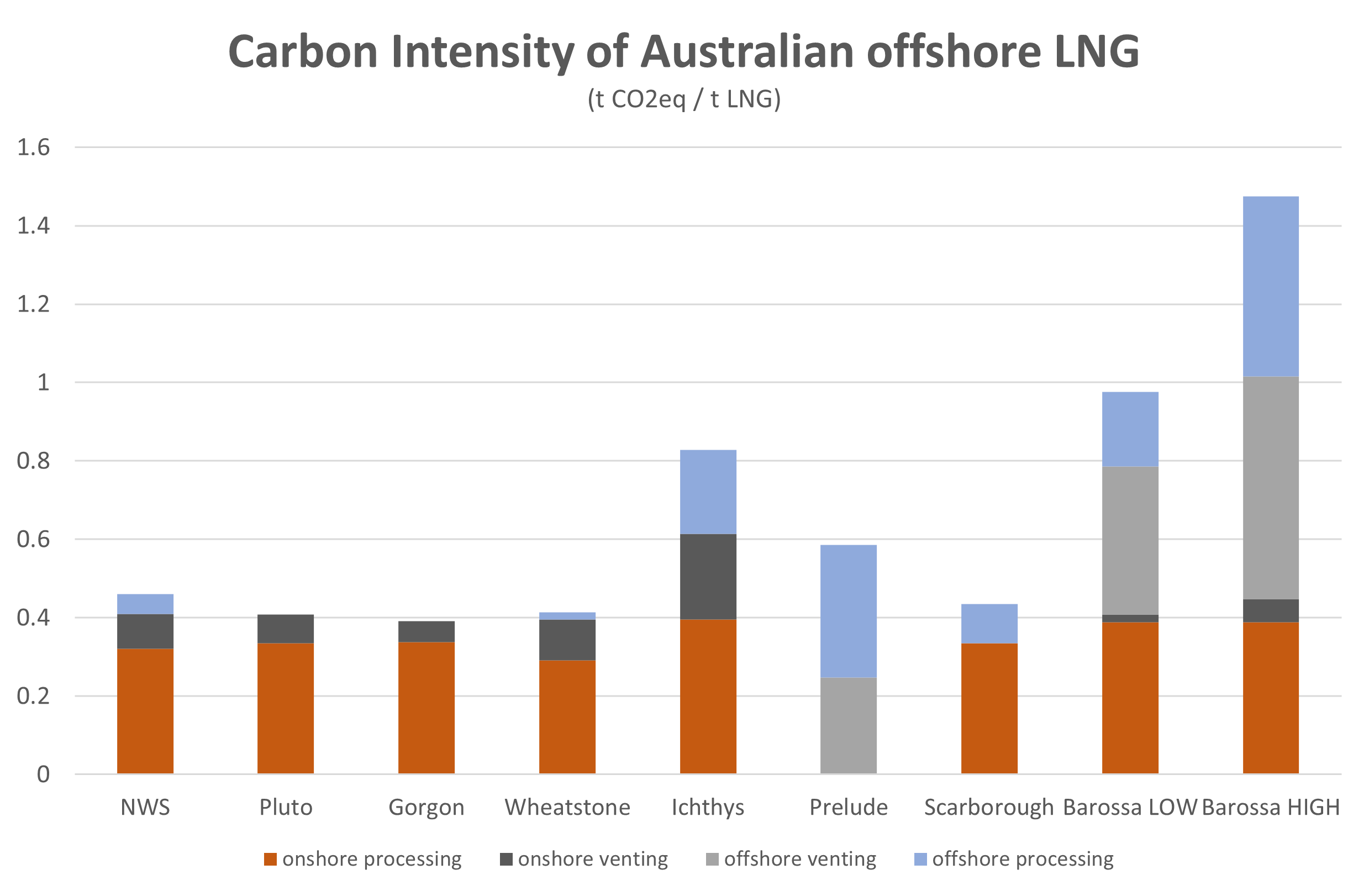
Source: Boiling Cold. Data from environmental approval submissions.
If Chevron can get Gorgon's troubled CO2 injection system working reliably at full capacity then the LNG from Barrow Island has the lowest carbon footprint of any LNG exported from Australia.
Pavilion's quest for carbon-certified LNG and Chevron's decision to source most of the supply from Gorgon are both signs that less carbon-intensive LNG will be increasingly favoured in the marketplace.
Total went one step further in October 2020 when it supplied an LNG cargo from Ichthys to China that included the offsetting of all emissions from the production and end use of the gas.
The increasingly climate-sensitive LNG market favours Woodside's proposed Scarborough LNG project but is difficult for Santos' plans to sanction the Barossa project before July.
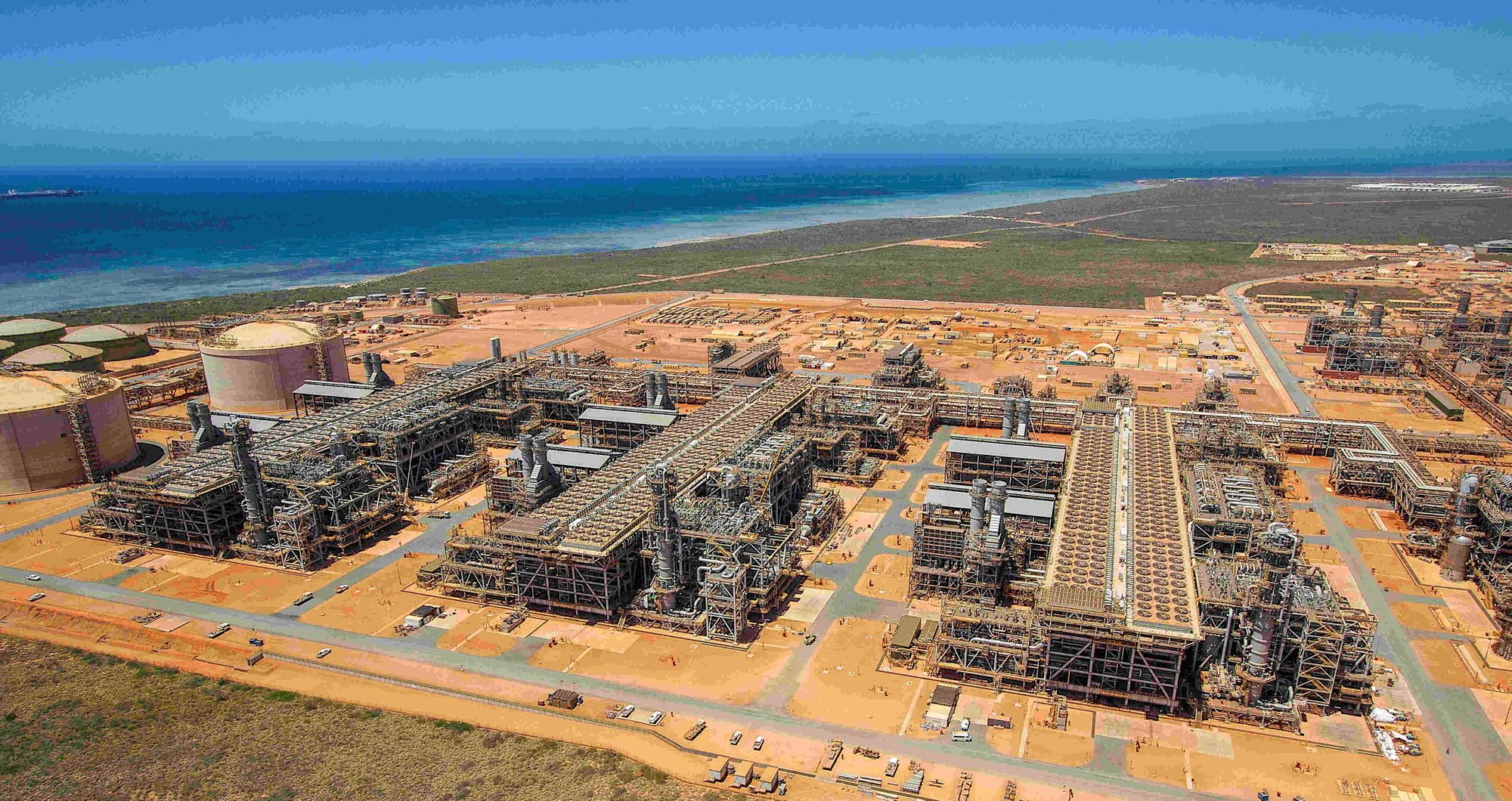
Main image: First LNG cargo leaves the Gorgon project in March 2016. Source: Chevron Australia Pty Ltd
I worked in oil & gas in commercial and engineering roles for 20 years. Since 2016, I have written for The West Australian, WAtoday, The Guardian and Boiling Cold, winning five WA Media Awards.
INPEX has spilled oil into Darwin Harbour, exposed offshore workers to dangerous mercury, and been prosecuted for under-reporting toxic emissions by more than 100-fold, all in the past 12 months.
Asia's fossil fuel industry readies to once again talk up carbon capture and storage (CCS) as the technology that lets us keep burning coal and gas, while still hitting our climate targets.
Australia's safeguard mechanism is failing to reduce emissions because major polluters are relying on unlimited carbon offsets, according to The Australia Institute.